
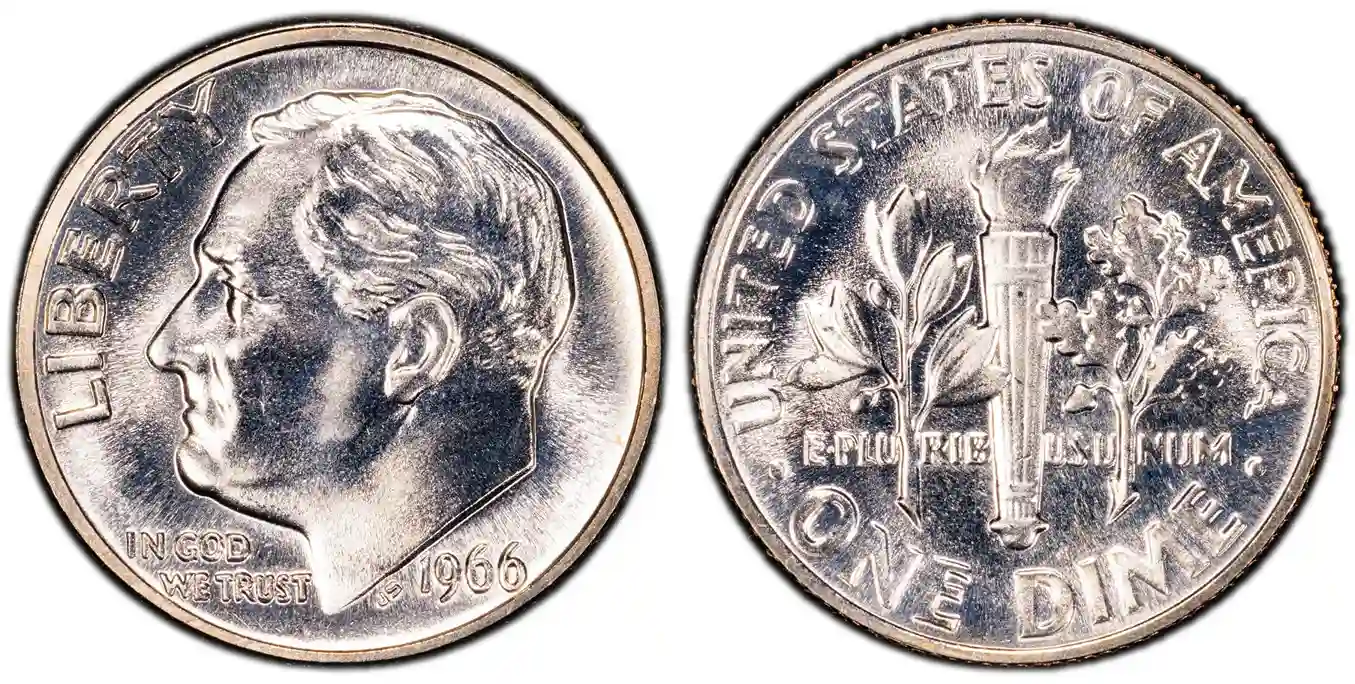
Is a 1966 dime worth anything? Average 1966 issue items sell for $0.15-$0.25. Perfect condition items reach $15-$30. Rare error prices exceed $5000, showing strong growth potential for modern issues.
Regular circulated items keep $0.10 face value, but professional PCGS or NGC certification increases market value up to $50.
Condition | MS-60 Price | MS-65 Price | PR-68 Price |
1946-1964 Silver | $2.50 | $5.00 | $15.00 |
1965-1969 | $0.50 | $2.00 | $8.00 |
1970-1999 | $0.20 | $1.50 | $5.00 |
2000-2026 | $0.15 | $1.00 | $3.00 |
Market Economy of 1966 Issue
1966 issue items contain no precious metal, but market prices exceed face value for perfect items. MS-67 market price stays around $40-$60, showing 5% annual growth with steady demand. Investors ignore scratched items, dropping value to $0.12.
Grading Impact on Capital
Professional PCGS grading turns $0.20 items into $100 assets. Certification service costs $25-$40, making certification profitable for items with market potential above $150.
Value Drop Factors
Chemical exposure - 80% price loss
Deep scratches - scrap category status
Improper cleaning - $200 premium loss
Common Errors and Market Value
Double Die
Die doubling increases dime value significantly. Verified date doubling items sell for $500-$2000. Heritage Auctions record sales reached $8400.
Off Center
Image displacement attracts investors. 10% displacement adds $20-$30. 50% displacement with visible date holds $200-$500 value.
Missing Clad Layer
Clad layer absence exposes copper base, increasing value. Error market prices range from $300 to $1200 depending on loss percentage.
Investment Strategies
Buying sealed bank rolls provides chances to find MS-68 items. PCGS catalog prices reach $250 for these. Opened rolls decrease contents value by 40% due to damage risks.
Price Growth Stats
2020-2023: 12% high-quality dime price growth
2023-2026: 3% market stabilization
2027 forecast: 4% growth potential given high-grade deficits
Auction Analysis
eBay data shows $1.50 average price for AU-58 items, representing 1400% gain over face value. Rare MS-69 items sell for $800-$1200. Auction stats confirm MS-67 grade as serious investment threshold.
Packaging Mistakes
PVC holder usage - green film formation, surface damage
Unprotected album storage - oxidation, luster loss
Moisture contact - spot formation, 50% market value decrease
Composition Price Comparison
Coin Type | Standard Market Value | Unique Market Value |
90% Silver | $2.20 | $4500 |
Copper Nickel Alloy | $0.15 | $2800 |
Risk Minimization
Red Book catalog following ensures price accuracy. Skipping cleaned items saves capital. Focusing on items with 90% luster scores ensures secondary market liquidity.
Professional Community Role
Participating in NGC level auctions removes counterfeit risks. Verified item prices stay 200% higher compared to non-certified items. Investing in graded items reduces 90% value loss risk during resale.
Mintage Impact on Pricing
Over 1 billion mintage counts make items common, but rare die combinations turn items into $1000+ assets. US Mint website mintage tables allow growth prediction.
Practical Profit Tips
Sell during peak demand times using auction reports
Buy full rolls for better MS-66 grade chances
Diversify collection holdings with silver and modern errors
2027 Price Forecast
MS-68 item price growth of 5-7% remains likely due to low supply. Error items keep 10-15% annual growth momentum. Circulated item values stay linked to inflation index, bringing low profit.
Real-Time Market Monitoring
Checking CoinFacts portal prices helps adjust investment portfolios. Comparing weekly auction offers gives advantages when buying undervalued lots.
Storage Cost Optimization
Using $0.50 inert plastic capsules prevents corrosion. Protection costs stay low while saving $50-$100 market values. Neglecting quality supplies causes 30-50% price loss.
Minting Technical Nuances
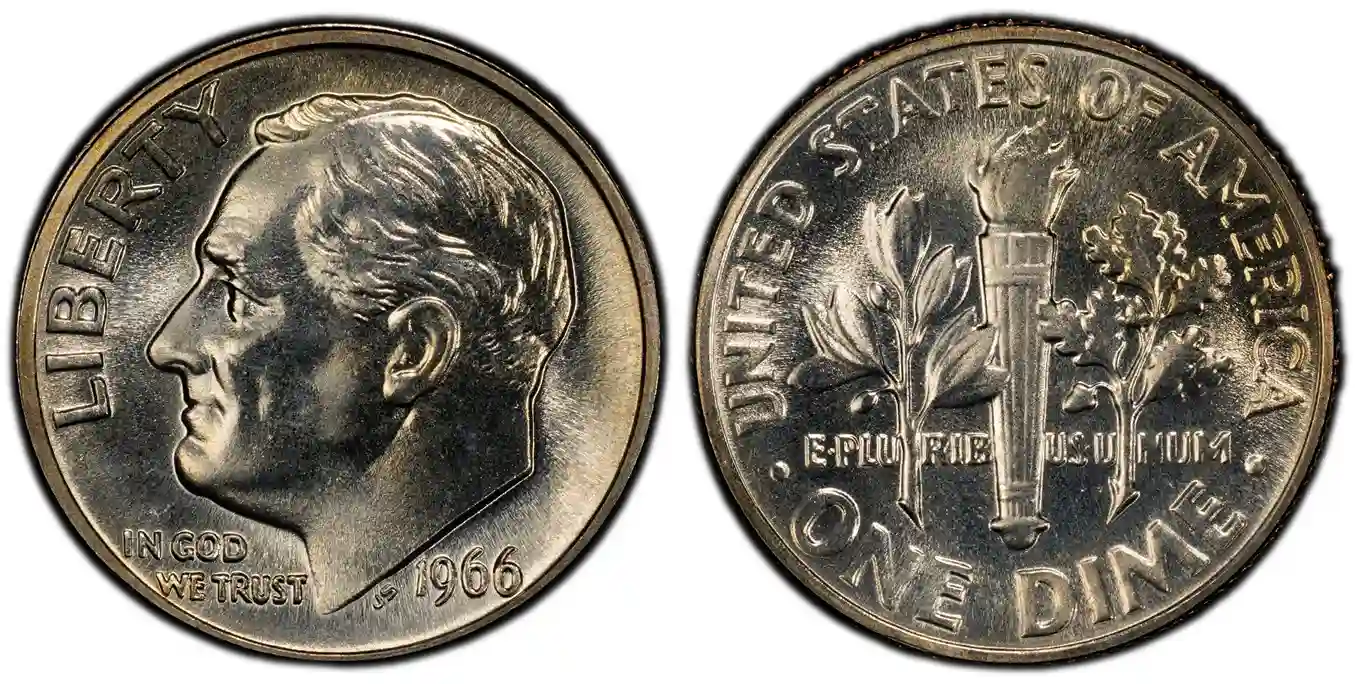
Stamp depth depends on die wear. First strike items show detailed Roosevelt hair, raising prices to $35-$50. Late die stage items show low detail, lowering values to $10-$15.
External Price Factors
Political instability - metal asset interest growth
Economic decline - MS-68 collector demand drop
Technology progress - counterfeit method creation requiring expertise
Market Exit Strategy
Selling through specialized platforms with 10-15% fees secures maximum profit. Wholesale dealer sales reduce returns by 30-40%. Planning sales using auction calendars adds 5-10% to final prices.
Surface Condition Assessment
Micro scratches visible under 10x magnification rule out MS-67 grades. Such items sell for $5-$8 max. Non-circulated signs represent key indicators for $50+ prices.
Luster Significance
Maintaining original luster with metal shimmer adds 20% to value. Polishing destroys collection value. Polished item prices stop at face value or scrap metal levels, making them bad investments.
Grade Significance
MS-60 serves as minimum investment threshold. MS-70 represents ideal standard, reaching $2000 for modern issues. MS-65 and MS-67 price gaps often exceed 300%.
1966 Market Specifics
MS-67 items from 1966 sell for $60-$80. Price growth since 2023 reached 8%. Heritage Auctions investors buy these lots, confirming demand stability.
Catalog Usage
Trends catalog base prices serve as guides, but actual auctions show 10-15% gaps. Profits come from differences between dealer purchase prices and eBay platform sale prices.
Defect Types
90 degree die rotation - $150-$300 value
Narrow rim - $50-$100 value
Wrong planchet metal - $2000-$5000 value