
The 1952 Wheat Penny value depends heavily on the small letter found under the date.
This letter represents the city of the mint.
Coins with no letter came from Philadelphia and usually show the lowest prices because of the large numbers created there.
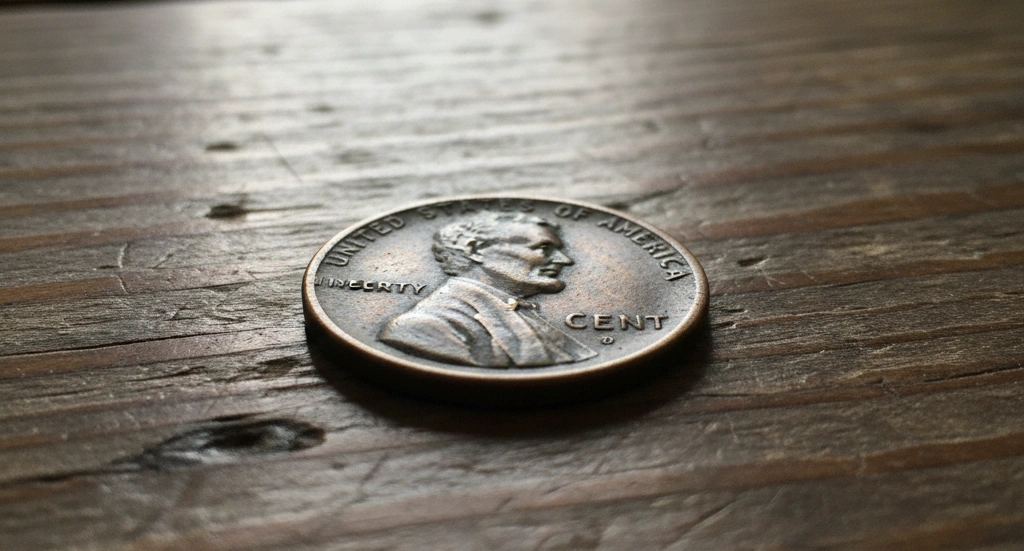
The letter D represents the Denver Mint, while the letter S represents the San Francisco Mint.
Each location shows different levels of scarcity today.
Mint Location | Mint Mark | Total Number Produced | Rarity Level (Circulated) |
Philadelphia | None | 186,775,000 | Very Common |
Denver | D | 746,192,000 | Very Common |
San Francisco | S | 137,090,000 | Common |
The Denver Mint produced the highest number of pennies in 1952.
This fact makes it very easy to find these coins in your change today.
The San Francisco Mint created the lowest number of coins.
This lower production leads to slightly higher prices for collectors seeking every variation of the Wheat Penny.
Determining the Grade of a 1952 Penny
The condition of a coin is the most important factor for the final price at big auctions, and it can be determined with the coin value checker app.
Experts use a system from 1 to 70 to describe the quality of a coin.
They focus on the details of Abraham Lincoln’s face and the wheat ears on the back.
Coins with heavy wear from use in shops for many years usually receive a grade between Good 4 and Fine 12.
Items kept in banks for seventy years without human contact often reach the Uncirculated or Mint State grades.
Grading Levels and Physical Features
Good (G-4): The letters and the date are visible but show heavy rubbing.
Fine (F-12): The lines of the hair and the wheat ears are clear and easy to identify.
Extremely Fine (EF-40): Only the highest points of the design show wear.
Mint State (MS-63 to MS-67): The coin has a strong shine and no signs of wear.
A 1952 penny with a grade of MS-67 is extremely rare.
This high quality causes prices to jump from a few cents to thousands of dollars.
1952 Philadelphia Penny
The Philadelphia Mint created over 186 million pennies in 1952 for the daily needs of the American public.
A standard 1952 penny found in a pocket often sells for about 5 to 10 cents.
This price represents a small profit over its original value.
Coins reaching the MS-65 grade show a significant increase in value.
These items often sell for 20 to 30 dollars in modern coin markets.
The record price for a 1952 Philadelphia penny in MS-67 Red condition reached 7,475 dollars at an auction in 2005.
The price of these top-quality coins usually increases by 3% to 5% every year.
1952-D Denver Penny
The 1952-D penny is the most common version of this year.
It is found in almost every starter collection in the United States.
The Denver Mint produced 746 million coins, but finding one in perfect condition is still a difficult task.
A typical 1952-D penny in used condition is worth only 2 to 5 cents.
This low price reflects its common status among hobbyists.
However, a 1952-D penny graded MS-67 Red sold for 4,230 dollars.
This auction shows the high demand for perfect surfaces and bright colors.
Prices for MS-65 Denver pennies stay very stable and lose only 1% of value during economic changes, but it’s better to check it with the coin identifier app.
1952-S San Francisco Penny
The San Francisco Mint produced the fewest coins in 1952.
This makes it the most interesting regular strike for many people.
A 1952-S penny in average condition usually sells for 15 to 25 cents.
It is more valuable than the Philadelphia and Denver versions.
Collectors often pay between 50 and 80 dollars for a 1952-S penny in MS-66 Red condition.
The highest price ever paid for a 1952-S penny reached 10,200 dollars for a coin graded MS-67 Red in 2017.
The value of San Francisco pennies often rises by 6% annually during strong market periods.
The Importance of Coin Color
Copper reacts with oxygen in the air over many decades.
This reaction causes the color of a 1952 Wheat Penny to change.
Professional grading companies use three main categories to describe the color of these coins.
Red (RD): This coin keeps 95% or more of its original orange-red shine.
Red and Brown (RB): The coin shows a mix of original red and some brown spots.
Brown (BN): The coin has turned completely brown from exposure to the air.
A 1952 MS-66 Red penny can be worth ten times more than an MS-66 Brown penny.
Color is a vital economic factor for every copper coin.
Rare Errors and Varieties of 1952
Errors in the production process can turn a common penny into a very valuable treasure.
Coins with visible mistakes are much rarer than standard coins.
These unique items attract people with a willingness to pay high prices.
1952-D D over S (OMM) Error
The D over S error occurred at the mint.
A worker punched a D mark over an existing S mark on the same tool.
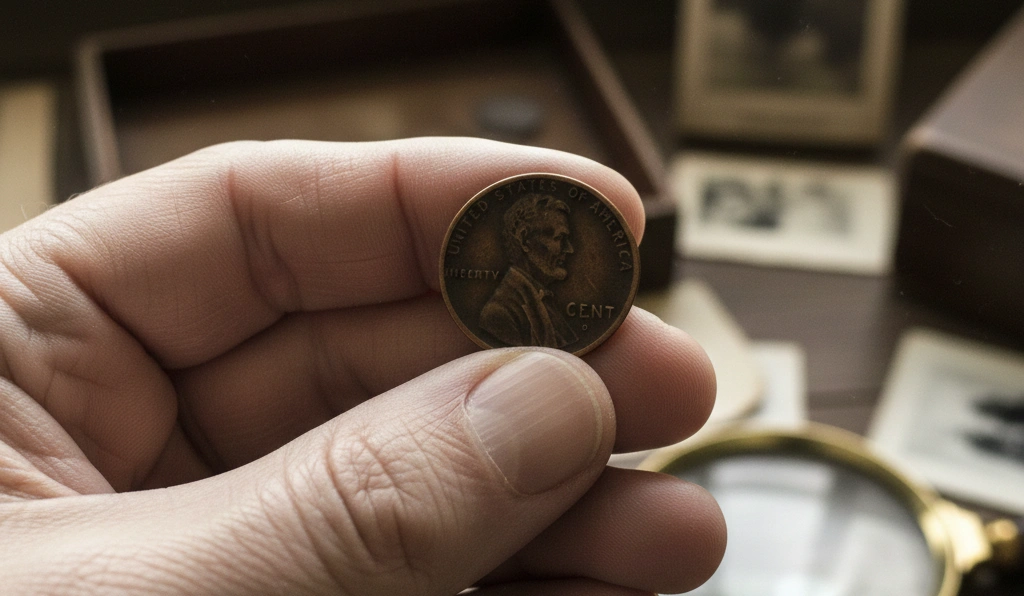
This mistake is very hard to see without a microscope.
It requires a careful look at the shape of the letter under the date.
These coins can sell for 50 dollars in used condition and over 500 dollars in Mint State.
Double Die Errors
A double die error happens during the creation of the coin tool.
The design is stamped onto the tool twice.
This process creates a doubled appearance on the letters or numbers.
Some small variations exist on the words "Liberty" and "In God We Trust" for the 1952 year.
A clear double die on a 1952 penny can increase the value by 20% to 50%.
Off-Center Strikes
Sometimes the metal piece is not in the correct position in the machine.
This results in a coin with only part of the design visible.
A 1952 penny with a 50% off-center strike and a full date is a very popular item.
These coins often sell for 50 to 100 dollars with a steady price increase over time.
Market Statistics and Price Trends
Understanding the financial side of coin collecting requires an analysis of long-term prices.
The market for 1952 Wheat Pennies has seen different trends.
Average Grade (F-12): Prices have remained at 5 to 10 cents for twenty years.
High Grade (MS-65 Red): These coins have seen a 40% increase in value over the last fifteen years.
Elite Grade (MS-67 Red): This category often jumps 100% in price after a new auction record.
Investors usually buy coins with grades from professional services like PCGS or NGC.
How to Sell Your 1952 Wheat Penny
Selling a coin requires a good choice of method for the best price.
A local coin shop is the fastest way to get cash.
Dealers usually offer only 50% of the retail price to cover their costs.
Online auction websites allow you to reach more buyers.
This method often results in a higher final price for rare error coins.
Sending your coin to a grading company is a choice for coins in perfect Mint State condition.
Paying 30 dollars for grading on a cheap coin is a common mistake for new collectors.
Comparing 1952 to Other Years
The 1952 penny is often compared to the 1943 steel penny or the 1909-S VDB penny.
It is much more common than the 1909-S VDB but stays essential for a complete collection.
The 1952 penny is valued for its copper content.
This metal is currently worth more than the one-cent face value.
Many people save 1952 pennies for the metal and wait for a change in laws.